
The short version
Google's Pixel 11 Pro refines its hardware with a brighter screen and new design, while its extensive AI features walk a fine line between helpful and overly aggressive.
The Pixel 11 Pro debuts with a polished build, a brighter screen, and important internal updates like the Tensor G6 chip. It also changes its RAM and storage setups. This phone focuses on new AI tools meant to aid users, but the review asks if Google has pushed these enhancements too far. Camera upgrades rely mostly on software, keeping Google ahead in computational photography. A new hardware element named HiLight starts with minimal use.
Key takeaways
- The Pixel 11 Pro has a redesigned, smooth camera module and a brighter, tougher display.
- Internal updates include the Tensor G6 chip, no 128GB storage option, and a RAM drop from 16GB to 12GB.
- Fresh AI tools like the Rambler dictation keyboard are central, yet they risk feeling too pushy.
- Camera gains come from software, with Google’s Portrait mode beating Apple’s, but a new Camera Looks feature faces strong rivals.
- A HiLight notification ring is criticized for its very narrow launch functions, seen as a result of Google’s strong AI push.
Hardware and Design: Refined Build with Notable Spec Changes
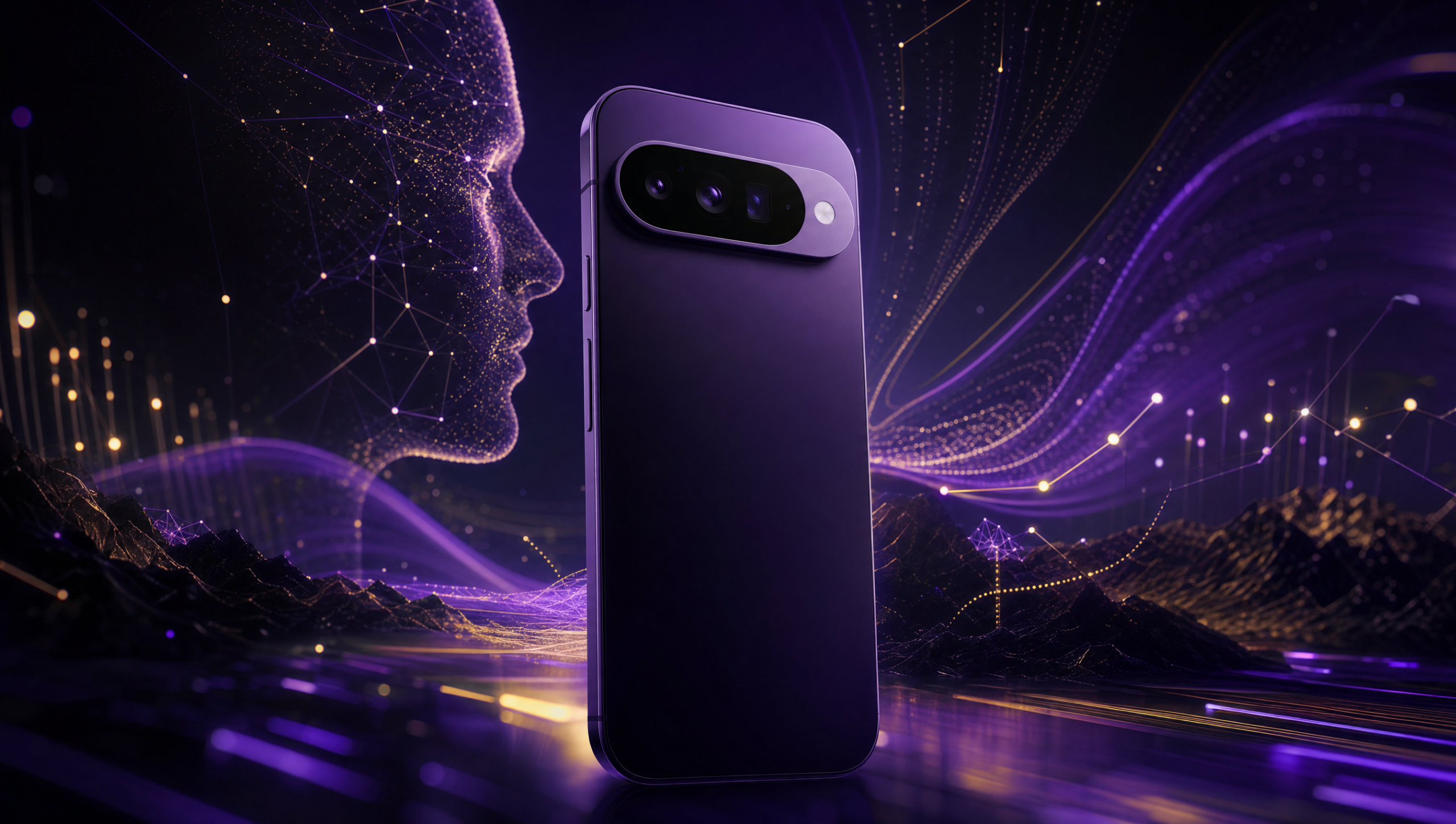
The Pixel 11 Pro feels solid and looks great. The review unit in ‘peachy Canyon’ has polished, matching edges for a sharp appearance. Its main visual change from the Pixel 10 Pro is the rear camera module. This now uses full-edge glass for a continuous look, replacing a crescent-shaped metal piece.
Display and Build Refinements
Google boosted the screen’s brightness by roughly 300 nits and added an anti-scratch coating that doubles its resistance. The panel is bright and generally clear, though it can show reflections. This phone weighs 7.2oz, about 0.1 oz lighter than before, and holds a 4,850mAh battery.
Key Internal Changes
Several hardware shifts stand out. The phone gets the expected upgrade to the Tensor G6 processor. Google also removed the base 128GB storage model and trimmed RAM from 16GB to 12GB. Even with less RAM, the review unit felt quick and showed no major performance problems in early use.
AI and Software Features: Helpful Enhancements with a Fine Line
New AI tools are a core part of the Pixel 11 Pro. They aim to improve your actions by editing for you or filling gaps, like picking scene moments or adding photo details. A major tool is Rambler, an AI dictation keyboard that works well for hands-free typing. The reviewer found it useful for quick text drafts.
Yet the boundary between helpful and pushy is thin and hard to pin down. The review asks when these AI aids become too much, especially since the Pixel 11 Pro costs $100 more and has less RAM. Many features, like sending voice memos or clipping videos, fit normal phone use. Still, it seems Google might have overreached with this year’s software additions.
Cameras and Photography: Software-Driven Updates with Hardware Tweaks
Photography updates on the Pixel 11 Pro come mainly from software, plus some hardware tweaks. The 50-megapixel main sensor is a bit larger. The telephoto camera also got a larger half-inch sensor. The front camera stays at 42 megapixels.
Most improvements arrive via new software features. These include Magic Capture, Instant Night Sight (praised for speed), Camera Looks, Creator Suite, Pro Stable Video, and Pro Zoom expanded to 120x. The review states Google’s Portrait mode still beats Apple’s, being simpler to use and working in more situations than on iPhones.
Camera Looks: Google’s Answer to Photographic Styles
Camera Looks serves as Google’s response to Apple’s Photographic Styles. However, the review indicates Apple might keep an advantage with its built-in filters, which just updated with the iPhone 16.
HiLight and Comparative Context: A Feature in Development
The Pixel 11 Pro adds a hardware feature called HiLight, an LED ring around the camera flash for subtle alerts when the phone is screen-down. Its launch functions are highly restricted. Reviews note it only activates for the Gemini AI assistant or calls from saved contacts. Google says future support for texts is coming, but it isn’t ready yet.
The Pixel 11 Pro Fold review criticizes this limited scope, calling HiLight a casualty of Google’s “intense focus on AI.” The reviewer wanted it to show battery status or app alerts, seen as easy additions. Instead, the feature just changes colors during AI interactions.
In a key hardware contrast, the Pixel 11 Pro Fold misses the 120x Super Res Zoom found on standard Pixel 11 Pro models. Even without this and despite its iterative design, the foldable’s cameras rank as “the best among foldables,” extending Google’s lead in that category’s image quality.
📡 Original reporting: Engadget + 1 more. AI Craft Technologies’ news engine summarised and rewrote this story in our own words; facts are drawn from the linked source.
⚙️ How this article was made — fully automated
This is a live demo of the ACT News Factory engine. Want one running on your own site? See our services →